If you’ve wondered how helping the animals could help me progress in the Dhamma practice, I shall now explain to you.
When I first lost a cat, it took me a month to get over it and when I lost yet another cat, the number of days of suffering reduces. I lost yet another and another and from one month of suffering to two weeks and from two weeks to seven days, four days, three days and eventually one day and sometimes I do not even feel anything but the love is always there. Yes, pain is inevitable, suffering is optional.
All illnesses that a cat has is the same as humans. It allows me to understand the pain and suffering of both humans and non-humans. And whenever I am sick, fall down or experience unpleasant feelings, the first thing that comes to my mind is to wish such pain would not happen to any living beings, humans and non-humans.
I see the Four Noble Truths in them every day, which is a lot to reflect already, especially cause and condition.
Practising loving kindness can be applied in helping both humans and non-humans since all experience suffering.
My rescues at home trained my patience and make me a better practitioner because they constantly remind me of my habits and when the habits had been overcome, I didn’t even notice them.
I’ve learnt to smile the first thing I get up in the morning until it becomes a habit even when I don’t see them.
Whenever I heard humans screaming or unusual calling from a cat or dog and even rats or birds, or any unfamiliar sounds that arouse danger, the first thing that comes to my mind is save! Not fear but to save!
All these do not happen overnight and require gradual training. They are virtuous acts that helps in concentration. It is definitely not the end of training.
I am not surrounded by people who are constantly practising an equanimous mind. For the readers who think animal rescue work cannot help progress in our daily Dhamma practice, you have come to the wrong site.
I humbly admitted my shortcomings because I am aware of them and not denying them. Do not judge my shortcomings and if you must, at least get to know the conditions behind. To criticise an unenlightened being for clinging to the Dhamma is not appropriate. I’ve never worried about not letting go of this or that for I have understood with the consistency of practising the Dhamma, the maturity of letting go would arise eventually. Therefore, do not let it bother you. Everything requires time to progress. That’s why it is called the stream, leading towards Nibbāna. I can’t force myself to be who I am not or what others expect of me.
To those who are sensitive to my experience or comments, I apologise. There are comments that cannot be applied to the monastic sangha. If acknowledging my shortcomings, humbling myself and explaining the differences between living as a monastic and lay person cannot bridge the gap, I really would prefer a quiet life.
There is not one day that I have not appreciated those who guide, teach and help me, including those who have and had contributed to my rescues and all the feeders as well.
Have faith in the Buddha’s teaching!


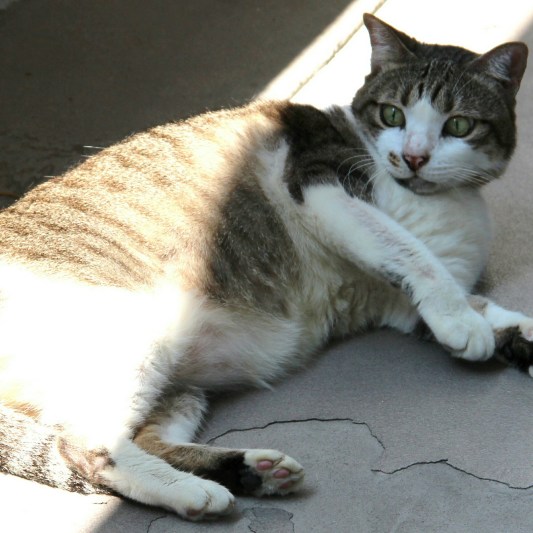
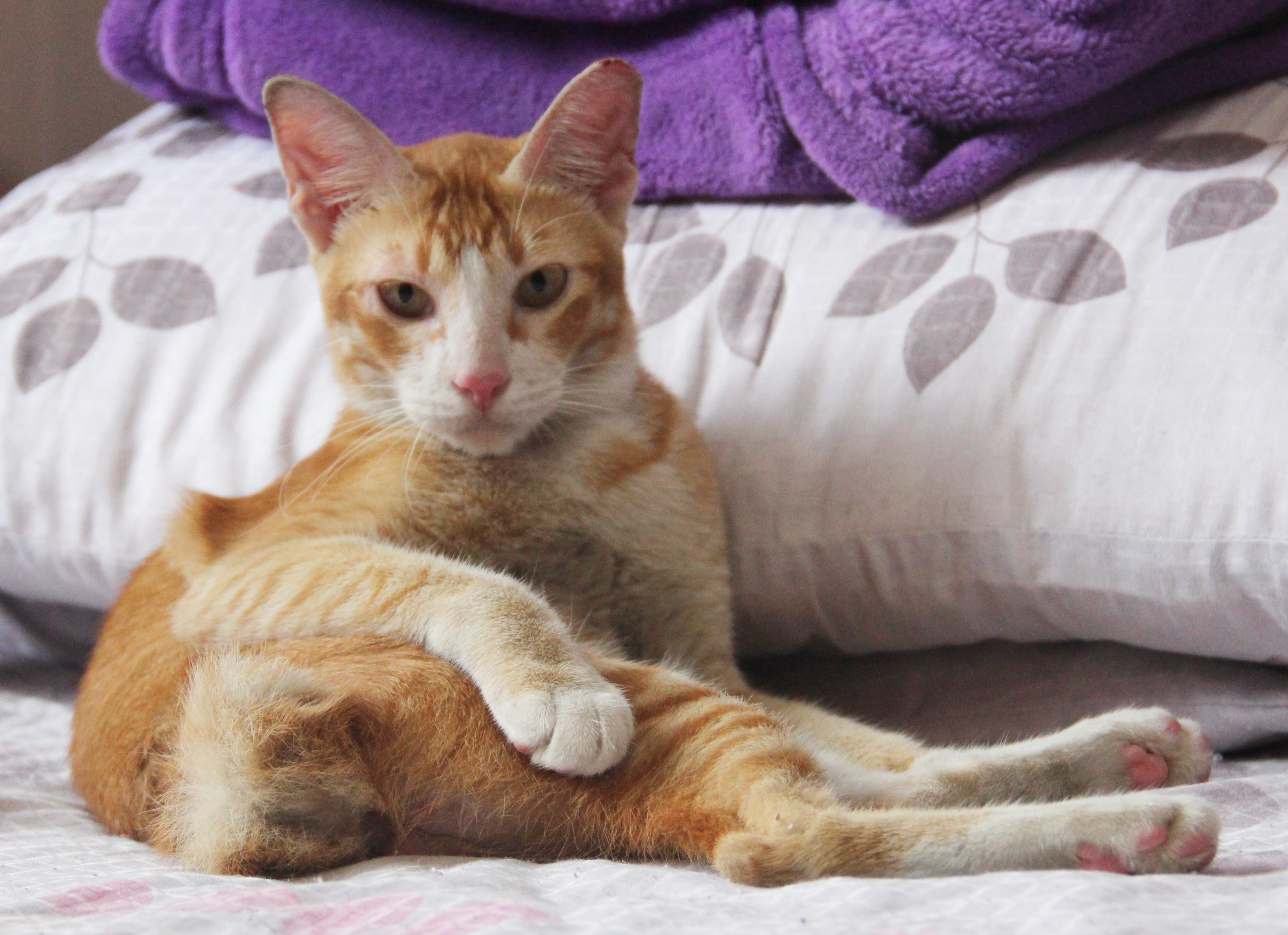


 Cats who teach me to fly...